The Next Competitive Advantage in Wellness Isn’t Better Science. It’s Better Understanding.

By Daniel Picou, Founder and CEO, THREE International
We may be approaching a point in the wellness industry where our ability to innovate is outpacing our ability to explain what we’ve created.
Think about that for a moment.
We have access to increasingly sophisticated research, advanced delivery technologies, and a deeper understanding of the human body than ever before. Yet ask the average consumer to explain the difference between two products claiming to support the same aspect of health, and the conversation can quickly become confusing.
That disconnect should concern every company developing science-driven wellness products.
Because a breakthrough that people don’t understand may never have the opportunity to make the impact it deserves.
When Innovation Becomes a Barrier
For years, the wellness industry has competed on innovation. More advanced ingredients. More sophisticated formulations. New discoveries that promise to move us beyond conventional approaches to health.
Scientific advancement is essential, and I believe strongly in investing in it. But somewhere along the way, we’ve also developed a habit of equating complexity with credibility.
We introduce products using terminology that may be familiar to researchers but foreign to consumers. We explain sophisticated technologies with even more sophisticated language. We assume that if people understand how much science went into something, they’ll understand why it matters.
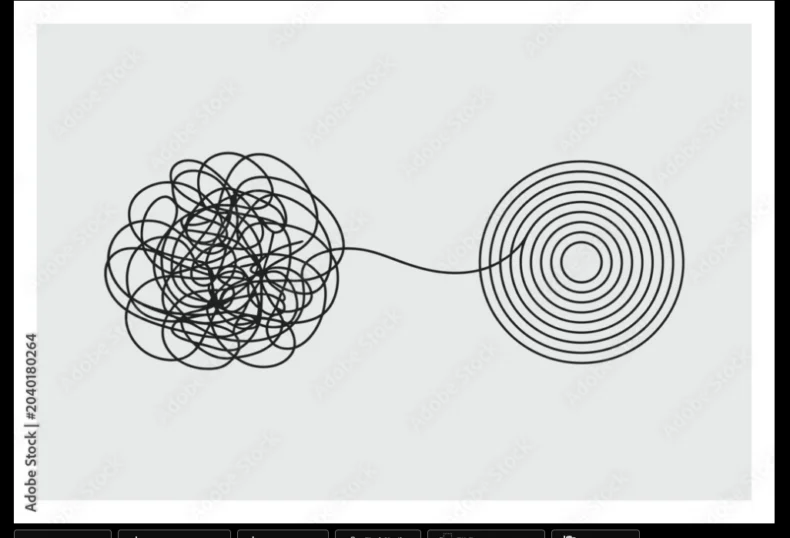
That’s not always the case. Sometimes, the more we explain, the less people understand. And when someone doesn’t understand a product, they’re left with two choices: trust what they’re being told or walk away. Neither is a particularly strong foundation for an informed purchasing decision.
The Responsibility Doesn’t End in the Laboratory
I believe companies have a responsibility that extends beyond developing innovative products. We must also make the science accessible.
That doesn’t mean simplifying it to the point of exaggeration or making claims the research doesn’t support. In fact, it means the opposite.
It means understanding our science well enough to explain it accurately, in language people can use to make informed decisions.
There’s an important distinction between making science understandable and making it sound impressive.
One creates clarity. The other can create confusion.
In wellness, that distinction matters because we’re not simply discussing features or technology. We’re discussing decisions people make about their health, often with limited time, competing information, and understandable skepticism.
They deserve explanations that respect both the science and their intelligence.

Direct Selling Has a Unique Opportunity
This is where I believe direct selling has an advantage that the industry hasn’t fully realized.
Our model creates opportunities for conversations that traditional retail and online transactions often cannot replicate.
A customer can ask questions. Someone can explain why a formulation was developed, what the evidence supports, and what the product is actually intended to do.
But that advantage comes with responsibility. If we expect independent representatives to communicate sophisticated science, we must equip them with more than product presentations and marketing terminology.
We need to teach understanding, not memorization.
That includes knowing what research establishes, where evidence is still developing, and what claims cannot responsibly be made.
At THREE International, scientific innovation is central to our approach. But I’ve come to believe that the way we communicate science deserves just as much attention as the science itself.
Our responsibility is not simply to create products people are excited to share. It’s to help people understand what they’re sharing.
Perhaps We’re Asking the Wrong Question
Companies often ask, “How do we communicate that our product is different?”
It’s a reasonable question. But I think there’s a more important one:
“Have we made it possible for someone to understand the difference and decide whether it matters to them?”
Those are two very different approaches.
The first begins with what the company wants to say.
The second begins with what the customer needs to know.
That shift requires discipline. Sometimes it means using fewer claims rather than more. It means resisting the temptation to turn every scientific finding into a marketing headline.
And occasionally, it means acknowledging that the answer isn’t as simple as we’d like it to be.
I would argue that this kind of restraint can become a competitive advantage.
The Future Belongs to Companies That Can Do Both
I don’t believe wellness companies should slow down their pursuit of innovation. We need continued scientific exploration, rigorous research, and better solutions to meaningful health challenges.
But innovation alone is not enough.
The companies that earn lasting confidence will be those that can connect sophisticated science with clear, responsible communication.
Because the ultimate measure of scientific leadership isn’t how complicated we can make our products sound.
It’s how clearly we can help people understand what the science actually means.
—Daniel Picou
CEO, THREE International
Get more information, facts and figures about THREE International, click here for the THREE International overview.
Disclaimer: At BFH, we strive to keep all content—articles, press releases, data—as accurate and current as possible at time of publishing. However, treat this content as a guide, not as definitive authority for business decisions. Publishing a press release does not imply Business For Home BV endorses a company or individual, nor guarantees its claims. No warranties or representations, expressed or implied, are made regarding the accuracy, completeness, or suitability of information provided on this website. All content is provided “as-is,” without liability for errors or usage. Always fact-check and conduct your own due diligence. BFH publishes press releases for the global Direct Selling / Network Marketing / Home Business community. Laws governing Direct Selling can vary greatly by country; BFH does not warrant that any company or content is in full compliance with various local or country-specific laws; it’s up to the reader to research, verify and comply with all applicable local regulations.
Recommended Distributors THREE International
Mark & Jill Ewell
Top earner

Dr Caroline Hong

Carla Ashley

Mark and Jill Ewell
Top earner
Melanie Smith

Caroline Small

EMANUELA PANEBIANCO

Melinda MacLean

Lance & Tracey Smith
Top earner

Kimberly Starr
